Take back your property. MB General Contracting clears overgrown brush, tangled undergrowth, buried fence lines and wooded building lots across Phelps County — and mulches most of it right on site — so your acreage is usable, accessible and clean again. From a single backyard thicket to dozens of rural acres, we bring the machines and the know-how to get it done.
Land in this part of the Ozarks doesn't stay open on its own. Leave a pasture a few seasons and cedars, blackberry and sumac take it back. Buy a wooded lot to build on and the first job is always the same — clear enough ground to work. That's the work we do. MB General Contracting is an owner-operated outfit run by Matthew Buhlinger, and land and brush clearing is one of the services we get called on most. We open up building sites, reclaim grown-up pasture and field, cut back fence lines, and turn raw, brushy rural acreage into land you can actually use.
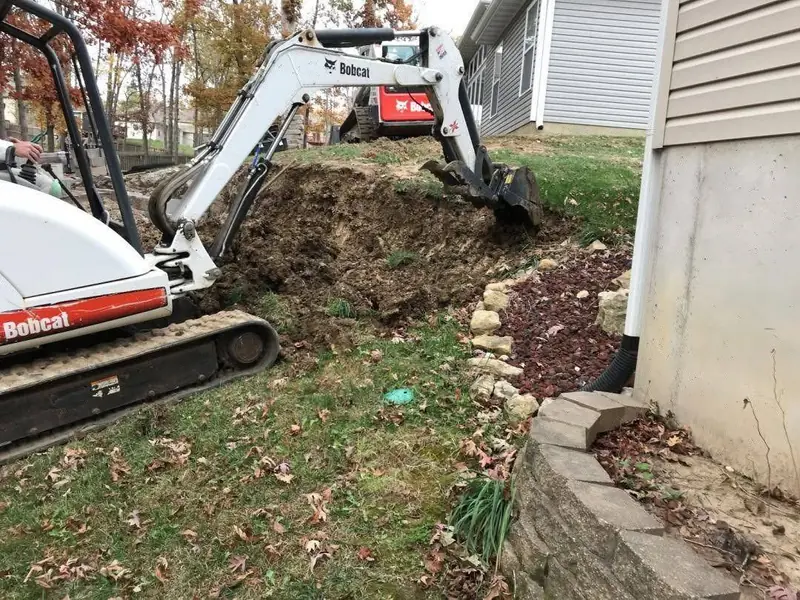
Because we own our own dozers, excavators, skid steers and a forestry mulcher, we can match the machine to the job instead of forcing every project through one piece of equipment. A thin thicket behind the house, a fence line grown solid with brush, or a heavily wooded lot for a new home and shop — each one calls for a different approach, and we've done all three many times over the last 15-plus years working around St. James, Rolla and the surrounding towns. Whether you're a homeowner, a builder prepping a lot, or a landowner sitting on acreage you can no longer walk through, this is a top service for us and we treat it that way.
Every property is a little different, but most clearing jobs we take on fall into these categories. Tell us what you're trying to do with the land and we'll tell you the right way to get there.
A forestry mulcher is a heavy rotating drum with cutting teeth mounted on a machine. It shreds standing brush and small trees where they grow and drops the material as mulch on the spot. There's no cutting-and-stacking, no dragging brush to a pile, and no waiting weeks for a burn pile to dry and be safe to light. You get open, walkable ground in a single pass and a mulch layer that protects the soil.
Burn piles mean big scarred bare spots, days of tending fire, dependence on weather and burn bans, and hauling or dozing debris into a heap first. Mulching skips all of that. The ground cover it leaves behind holds moisture, cuts erosion on our sloped Ozark ground, and actually slows regrowth of brush — so the land stays cleaner longer with far less mess and risk.
Clearing land in the Missouri Ozarks is not the same as clearing flat Midwest cropland, and it pays to hire someone who works this ground every week. Around St. James and Rolla the terrain is Ozark plateau — rolling to steep, with chert and rock close to the surface in a lot of places. That rock matters: it's the difference between grinding a stump out clean and hitting ledge, and it's why access and slope drive so much of how a clearing job goes. We plan around it instead of being surprised by it.
The vegetation is its own challenge. Eastern red cedar takes over open pasture fast, blackberry and multiflora rose choke fence lines, and second-growth hardwood fills in any lot left alone. Down toward Newburg and along the creek bottoms and slopes, and south toward Salem where the ground turns heavily wooded and rural on the edge of the Mark Twain National Forest, we see everything from thick timber to grown-over homesteads and long, brushy driveways that need to be opened back up. Wet spring weather can keep heavy machines off soft ground for stretches, so timing and knowing where the water sits are part of doing the job right. This is home ground for us, and it shows in how we work it.
For most folks, clearing the land is the start of a bigger project — and that's where being one crew with the full lineup of equipment saves you real time and hassle. Once your ground is open we can move straight into excavating and site prep, cut in and rock a new driveway, solve wet-ground problems with drainage work, and bore utilities under your cleared lanes with directional drilling — all without waiting on another contractor's schedule. We can take a raw, wooded parcel all the way to build-ready with one phone call.
If any of these sound like your property, clearing is probably overdue — and the longer it waits, the more the brush wins.
We keep it straightforward from the first call to the last pass with the machine.
Tell us where the property is, roughly how much you want cleared, and what you're planning to do with it.
Matthew comes out in person, walks the ground with you, and gives you a clear per-project or per-acre price.
We bring the right machine — mulcher, dozer, excavator or skid steer — and clear exactly what we agreed on.
We leave the ground open and tidy, mulch spread or debris handled, and ready for the next step.
Every property is priced on what it actually takes, which is why we come look before quoting. These are the factors that move the number up or down:
You're hiring the owner, not a middleman. Matthew runs the machines himself, so the person who walks your property and quotes the job is the same person doing the work. We own our equipment — dozers, excavators, skid steers and a forestry mulcher — so we're not renting, waiting or cutting corners to fit one machine. We're licensed, local to St. James and Phelps County, and we've been at this for more than 15 years. And because we do the full range of site work in-house, clearing can roll right into excavating, grading, drainage and driveways under one crew. When we're done, we leave your property clean.
It depends on how thick the growth is, the size of the trees, the terrain and how easily we can get equipment in. Light brush on level ground goes fast; solid timber on a steep, rocky slope takes more. That's exactly why we come out and look — you'll get a clear per-project or per-acre estimate with no surprises.
For most brush and small-tree clearing, yes. Mulching grinds the material into a clean layer on site in one pass — no burn piles, no debris hauling, and a ground cover that slows regrowth and controls erosion on our sloped ground. If you'd rather have larger debris or full trees hauled off, we can do that too; it just adds labor and cost.
Absolutely. We can open up only the footprint for the house, shop or barn plus the driveway path and leave the rest of your treeline standing. A lot of folks want the woods kept for privacy and shade, and clearing selectively is often cheaper than clearing the whole parcel.
No. With forestry mulching there's nothing to burn — the brush is ground up and left as mulch. That means no burn piles to tend, no waiting on dry weather or burn bans, and no scorched bare spots on your land.
Yes, that's one of the most common jobs we do around here. We clear the cedars, brush and saplings that have crept into the pasture and bring the ground back into use. Where trees have gotten large we'll take those out too, and we can grind or dig the stumps so the field is workable again.
We do. We reclaim buried fence rows and property lines so you can find your corners, run new fence, and keep the line clean. This is a good pairing with pasture work if you're getting ground ready for livestock.
Anything from a backyard thicket up to dozens of acres. Because we own several machines, we scale the equipment to the property instead of turning down small jobs or being underpowered on large ones.
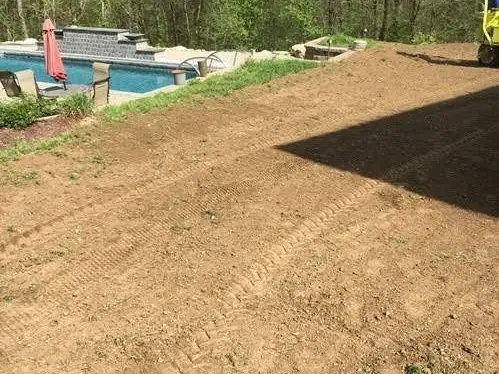
Brush, saplings and overgrowth cleared, then graded back to usable ground.
Free, in-person estimates on clearing and forestry mulching across St. James, Rolla and Phelps County.